
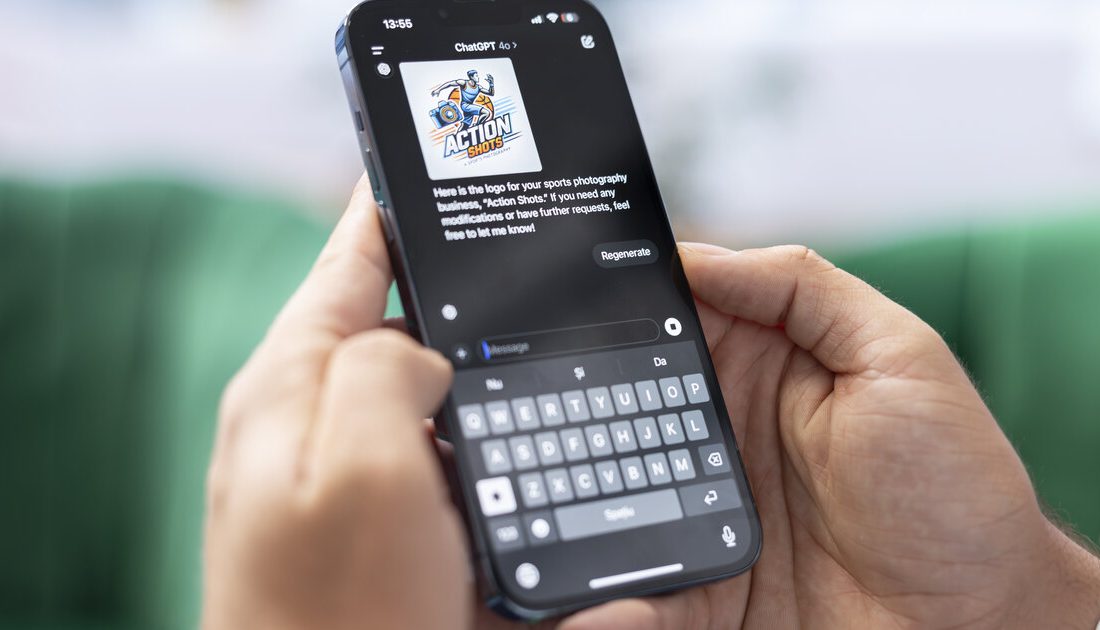
Google Analytics 4 now treats traffic from AI assistants as a first-class acquisition channel. On May 13, 2026, Google rolled out a native AI Assistant channel inside the Default Channel Group, automatically classifying referrals from ChatGPT, Gemini, and Claude without any manual setup. Sessions that previously landed in Referral or Direct now get their own row in standard acquisition reports.
The change is server-side and applies to every GA4 property at once. Property owners do not need to touch tag configuration, custom channel groups, or regex rules. When the incoming referrer header matches a recognized AI assistant domain, Google assigns three fixed traffic-source values: medium ai-assistant, default channel group AI Assistant, and campaign (ai-assistant). Those values surface in the Acquisition, Traffic acquisition, and User acquisition reports, as well as anywhere the medium or channel dimensions are exposed in Explore.
What the new channel actually captures
The recognition layer relies on the HTTP referrer. When a user clicks a citation in ChatGPT, Gemini, or Claude and the assistant passes a referrer header pointing back to its own domain, GA4 reads that header and reclassifies the session. Three platforms are confirmed by name in Google’s announcement, but the company has not published the full list of recognized referrers or a schedule for adding new ones. Perplexity, Copilot, and emerging assistants are not explicitly mentioned, which leaves marketers guessing about how their traffic will be attributed in the short term.
Default Channel Group values at a glance
| Dimension | Value assigned |
|---|---|
| Default Channel Group | AI Assistant |
| Medium | ai-assistant |
| Campaign | (ai-assistant) |
| Source | Referrer hostname (e.g., chatgpt.com, gemini.google.com, claude.ai) |
The referrer-header gap
The new AI Assistant channel does not solve the biggest measurement problem in chatbot referral tracking. Sessions that arrive without a referrer header still drop into Direct, and that covers a sizable portion of real AI-driven traffic. Mobile app browsers strip referrers. iOS Mail and several desktop email clients strip them. Users who copy a URL out of a chat reply and paste it into a new tab arrive with no referrer at all. None of those visits will be reclassified as AI Assistant under the current implementation.
Google has also not addressed whether historical data will be relabeled. Marketers comparing month-over-month performance should expect a visible step change in May 2026 reporting: traffic that used to appear under Referral with a source like chatgpt.com will now move into a new channel row, while older sessions stay where they were. Any dashboards or alerts built on Referral volume will need to account for the shift.
Why Google moved now
Until this release, GA4 lumped AI-assistant referrals into generic Referral traffic alongside forum mentions, link aggregators, and partner sites. That made it impossible to size the AI acquisition channel without building a custom channel group with regex patterns matching each chatbot domain. Several analytics agencies had already published templated regex rules, but the lack of a default classification meant most properties simply did not measure AI traffic at all.
The release also lands months after privacy-first analytics vendors moved on the same problem. Matomo introduced dedicated AI chatbot tracking in version 5.8 with separate reports for bot crawls versus human-click referrals, and several Google Tag Manager templates added the same logic for GA4 users willing to maintain custom code. Google’s native channel ships the simplest version of that work to every property at once, but only for the human-referral half of the problem—bot crawler hits are out of scope.
What to do this week
- Confirm the AI Assistant row appears in Reports → Acquisition → Traffic acquisition after May 13. Filter by session default channel group and look for the new value.
- Audit existing custom channel groups. Any property already running a regex rule against
chatgpt.com,gemini.google.com, orclaude.aiwill now double-classify those sessions if the custom rule fires before the default one. - Re-baseline Referral and Direct trends from May 13 forward. Treat the channel split as a methodology change, not organic growth or decline.
- Tag your own outbound campaigns to AI assistants with UTM parameters if you want to keep them attributed separately from organic AI referrals.
Google framed the change as a measurement update, not a planning tool, but it sits inside a broader 2026 GA4 push toward AI-aware reporting. Earlier this month the company expanded GA4 cross-channel budgeting into beta, signaling that AI Assistant volumes will likely feed forward into media-mix recommendations once the data stabilizes. For now, marketers get the first apples-to-apples view of how chatbot traffic compares against organic search, paid, and social inside the same property—and a clear marker that AI referrals have crossed the threshold from rounding error to reportable channel.